
Belmont Resident Lookup Records
A single Belmont name can surface in records held by different custodians. The Belmont Vision database identifies a tax-record owner and a mailing destination. MassCourts indexes public case information. The Secretary of the Commonwealth offers an individual voter-status check, and the Archives index helps with older vital events. None is a universal household roster. The right starting point depends on whether the question is about recorded title, registration, a public case, an historical event, an estate, or a public professional filing.
| Record | What It Confirms | Where | Access |
|---|---|---|---|
| Assessor parcel | Belmont tax-record owner, situs, and mailing address | Belmont Vision database | Public parcel card |
| Voter record | Belmont individual registration match or public local-list fields | State form or Belmont Town Clerk | Form is individual-only; list is by request |
| Recorded deed | Belmont indexed parties, instrument, legal description, and chain | Middlesex South Registry for Belmont | Online and Cambridge-book routes |
| Court docket | Belmont party, case number, events, and disposition where public | MassCourts Belmont court route | Public portions only |
| Vital record | Belmont event, date, place, and relationship evidence | Archives, Belmont Town Clerk, or RVRS | Index or eligibility-based copy |
| Probate | Belmont decedent, fiduciary, and interested parties | Middlesex Probate and Family Court | Public portions may be limited |
| License or filing | Belmont public credential or entity affiliation | State license and corporation searches | Verify the current detail record |
Use a Belmont record only for the fact it actually supplies. A mailing address on a Belmont parcel card may belong to a trust, agent, or owner outside Belmont. A Belmont docket name may belong to a different person with the same name. For a historical Belmont address trail, the regional volumes and resident lists described in the Belmont City Directory add dated context without turning an old entry into proof of present residence.
Belmont Resident Name Anchors
The strongest Belmont record test uses four anchors: the name as indexed, a date or approximate age, a location, and an independent record. Keep initials, middle names, former names, trust names, and entity suffixes rather than flattening them into one label. A common surname should remain a lead until two Belmont records agree on enough details to separate one person from another.
For a current Belmont property question, compare the Vision owner name with the deed party and book/page reference. For a Belmont family question, compare a dated obituary or yearbook entry with a resident list, newspaper notice, or probate relationship. This method leaves room for Belmont records to disagree. A directory entry can show presence at an address, while a recorded instrument shows a party to title. Those are useful but different findings.
Note: Save the date searched beside each result, because court dockets, voter status, parcel data, and public filings can change after a search.
Belmont Resident Court Search
MassCourts is the statewide public case-information portal for the courts serving Belmont. Select the court department, division, and location, then use the Name, Case Type, Case Number, or Ticket/Citation tab. Name search is limited to civil cases, a last name needs at least two characters, case-type date ranges may not exceed one month, and a case number must retain its capitalization, spaces, and leading zeros.
| Party name | The name as the court indexed it. |
|---|---|
| Case number | The identifier needed for a precise case search or clerk request. |
| Court location | The department, division, and location handling the matter. |
| Case type and date | Context for separating similar names and checking a time period. |
| Docket and disposition | Events and status where the public result exposes them. |
| Document link | A link or print option only when the department exposes one. |
The online screen is not the official Belmont court file. Public terminals at the Massachusetts court locations named in the docket instructions can show case information, while the Clerk, Register, or Recorder holds the Belmont file route. Juvenile, sealed, impounded, adoption, and expunged matters are not open as ordinary public search results. Match a public docket with a jurisdiction and another Belmont record before treating it as a Belmont identity confirmation.
Belmont Resident Voter Match
The Massachusetts Voter Registration Search checks an individual voter’s registration information. It is not a free-form Belmont resident search. The form needs first name, last name, birth month, day, year, a five-digit residential ZIP, and the required agreement checkbox. Exact spelling is safest when a name has a variant.
| Field | Format | Required | Use |
|---|---|---|---|
| First and last name | Text | Yes | Identifies the individual voter. |
| Month, day, and year | Three dropdowns | Yes | Supplies the date-of-birth match. |
| Residential ZIP | Five-digit text | Yes | Limits the check to the voter’s residential ZIP. |
| Agreement | Checkbox | Yes | Confirms the form’s individual-use purpose. |
For a public local list, use Belmont’s elections and voter-information route to ask the Town Clerk for the needed date, format, and permitted fields. Massachusetts says a local list may include name, address, party, date of birth, status, voter ID, registration date, and participation history. Phone, email, permanent-absentee, veteran, minor, and confidential-voter data are withheld. A registration match supports registration, not a claim that every person at an address is present.
Belmont’s 2023 annual report recorded 18,218 registered voters on December 31, with 1,182 new registrations and 1,083 removals during the year. The annual election recorded 36.45% turnout. Those figures show why a dated individual check or current local-list request matters. They are scale context, not a current resident list.
Verify a Belmont Resident
Start with a narrow Belmont question and build a small evidence chain. A five-step sequence works when a name may connect to Belmont property or another public record. It avoids treating a single database hit as a full identity match, and it gives each custodian a question that fits the Belmont record it keeps.
- Write the name exactly as known, including initials, former names, and any entity or trust wording.
- Check the Belmont assessor record when the person may own property, and preserve both the situs and mailing fields.
- Use the Registry book/page or party search to compare the recorded instrument with the assessor result.
- Run a MassCourts search only with the court, date, and name detail needed to sort same-name results.
- Use an Archives index, public probate portion, or dated library source as the second independent anchor when the question is historical.
- Docket
- A dated court case log that records filings, events, and status rather than a complete personal profile.
- Index and image
- An index points to a record; an image is the scanned instrument or document when the custodian makes it available.
- Certified copy
- A custodian-issued copy with certification for a record that is open and for which the requester meets any access rule.
Belmont Resident Vital Trails
Older Belmont vital research begins with the Massachusetts Archives birth, marriage, and death index for 1841 through 1910. Belmont Town Clerk records reach back to the town’s 1859 incorporation, while RVRS handles most statewide copies from 1936 forward. Belmont birth and marriage records become open after 90 years, and death records after 50 years under M.G.L. c.46 §2A. Current or restricted certificates still require the applicable relationship, identification, or eligibility showing.
For an heir question, a public probate docket can lead to a decedent, fiduciary, or interested party. The Middlesex Probate and Family Court, South-Woburn is the Belmont probate route and provides registry, virtual-registry, and copy-contact paths. Adoption details, protected family material, and account information may remain confidential, so an ordinary certificate request is not a substitute for the state’s confidential adoption process.
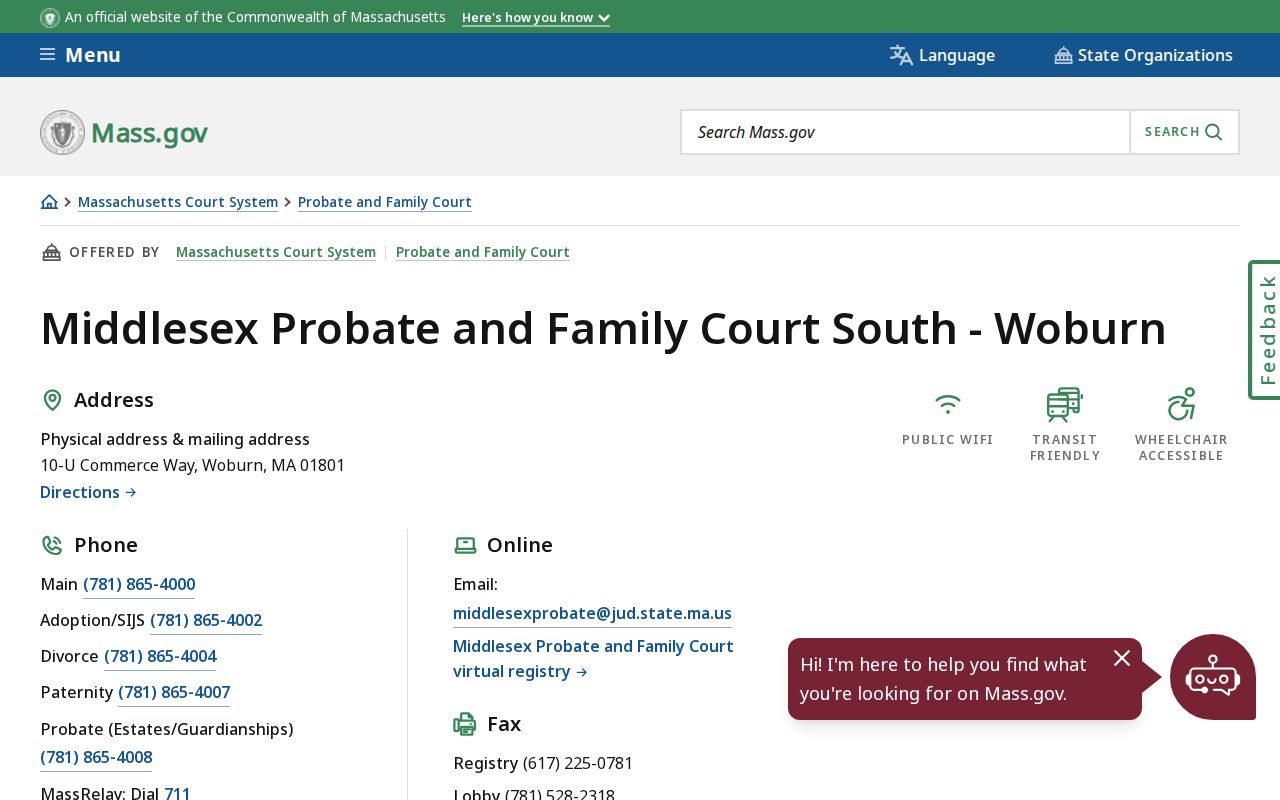
The court location is a useful route to a specific file or registry contact. It does not make every family, adoption, or account detail available through a public name search.
Belmont Resident History Matches
Belmont High yearbooks from 1922 through 2016, mostly in digitized holdings, are the strongest local library route for a former-classmate question. The Underwood Room also points to resident lists from 1911 through 2009, newspapers, and the Belmont Story Project. The Herald obituary index organizes names under both “Known as” and “Former/Maiden,” which is useful when a later surname differs from a school or directory entry.
These Belmont sources are historical evidence, not current-location proof. Confirm the year and page with library staff, and pair a Belmont newspaper notice with a dated resident list, probate record, or public vital index when the question requires stronger support. They work especially well when a name change or an old Belmont address makes a modern portal search inconclusive.
Belmont Resident Registry Limits
The Massachusetts DOC locator directs state-prison inquiries to VINELink and an automated phone line. It is not a Middlesex County jail roster, and no official online Middlesex roster was located in the research. For a current custody question, use the listed jail contact or the court record route rather than inferring present status from an old docket.
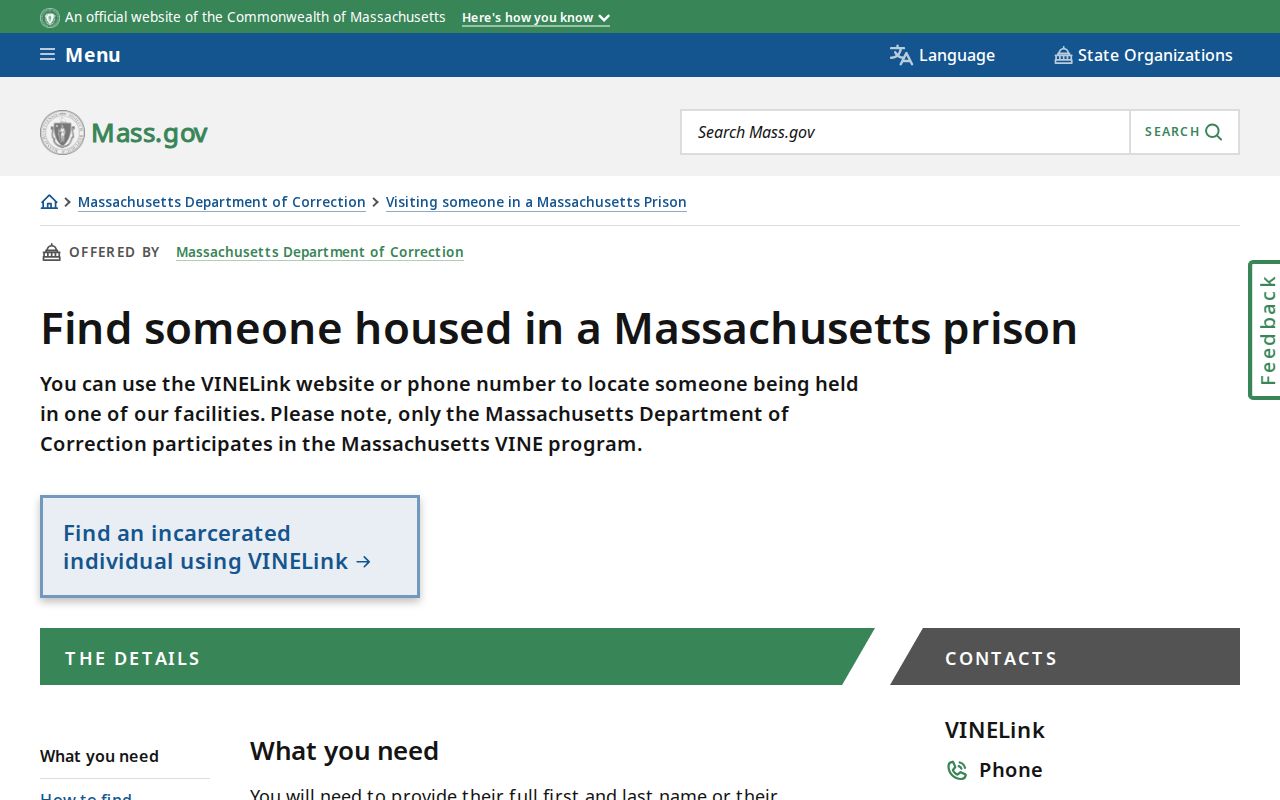
The DOC route distinguishes state custody from local custody. That distinction prevents a Belmont record search from overstating what a state locator can show.
The Massachusetts SORB information page permits searches for public Level 2 and 3 registrants, subject to its stated limits. It warns that the information cannot be used for crime, illegal discrimination, or harassment, and a town search is not proof that someone is or is not a Belmont resident.
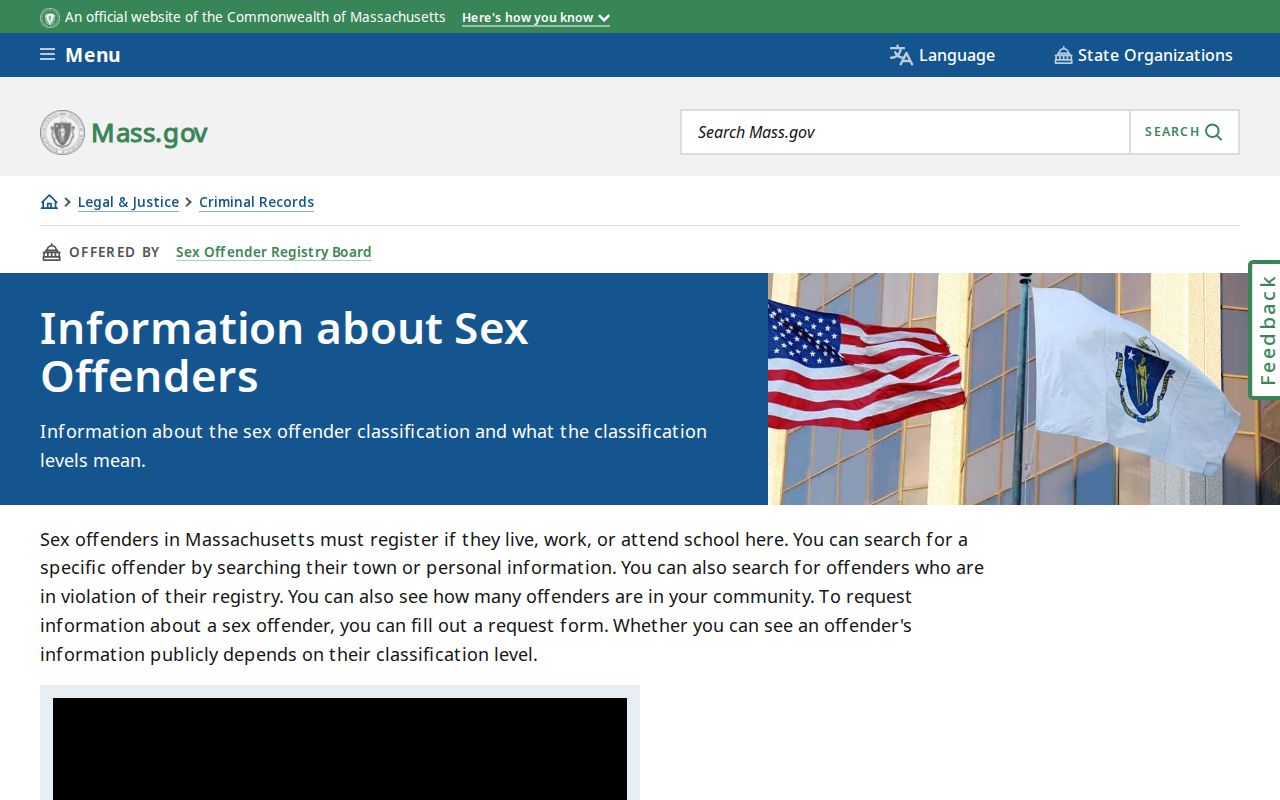
Belmont address confidentiality, status changes, and nonpublic classifications limit what an indexed result can establish. Do not use a Belmont public registry result to infer a household or to contact someone.
Belmont Resident Search Limits
Massachusetts Address Confidentiality Program participants can use a substitute legal and mailing address, and confidential voter registration under M.G.L. c.51 §51A keeps protected voters off the ordinary public list. Court impoundment and other statutes also restrict records. Public access does not override a protected address, DMV privacy limits, an adoption restriction, or a sealed court file.
Lawful use. Use Belmont records for personal, lawful research and never to stalk, harass, intimidate, or expose a protected address. A public result should be verified with the custodian, not used to pressure or harm another person.
A Belmont record that appears wrong should be taken to the custodian with the precise docket, book/page, or URL and supporting proof. Belmont public information can be incomplete, stale, or misindexed. The office that holds the original record is the proper place to ask about correction, access, or a lawful copy.
Belmont Resident Records Fallback
When a web search ends without a result, direct the request to the office that holds the record. Belmont accepts reasonably specific public-record requests by mail, email, fax, in person, or through NextRequest, and generally responds within 10 business days under the Massachusetts Public Records Law, M.G.L. c.66. A custodian does not have to create a new record or answer a research question, but an existing, reasonably described database extract may be requested.
The Belmont court counter or public terminal is the fallback for a case file. The Belmont Town Clerk is the route for local vital, census, election, and municipal records. Middlesex South physical books in Cambridge are necessary when an older Belmont deed chain reaches before the locally described online cutoff. For Belmont library holdings, ask for the date, title, address, or name variant that anchors the search. Each route narrows the request without asking staff to disclose a protected fact.
Note: A focused request with a record type, approximate date, and known location is easier for a custodian to locate than a request to identify an unspecified person.